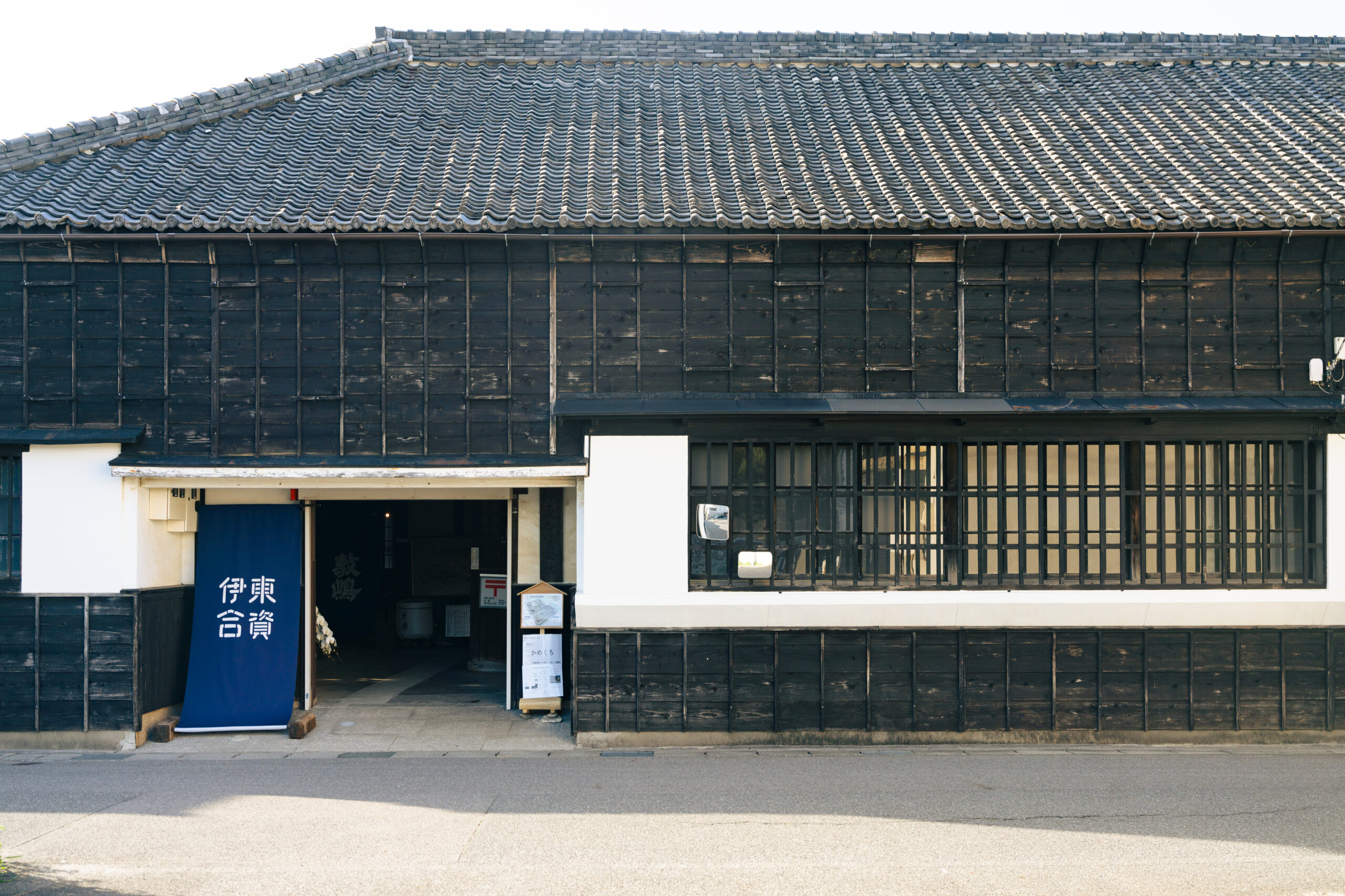
Sake Brewing in Kamezaki
Sake brewing began on the Chita Peninsula around the early seventeenth century, bolstered by the region’s abundant rice harvests and excellent water. By the mid-eighteenth century, Chita breweries were flourishing. Established maritime shipping routes gave them easy access to markets in Edo (now Tokyo), where their sake sold with great success. The town of Kamezaki alone had over 30 sake breweries in the nineteenth century, including Itō Gōshi.
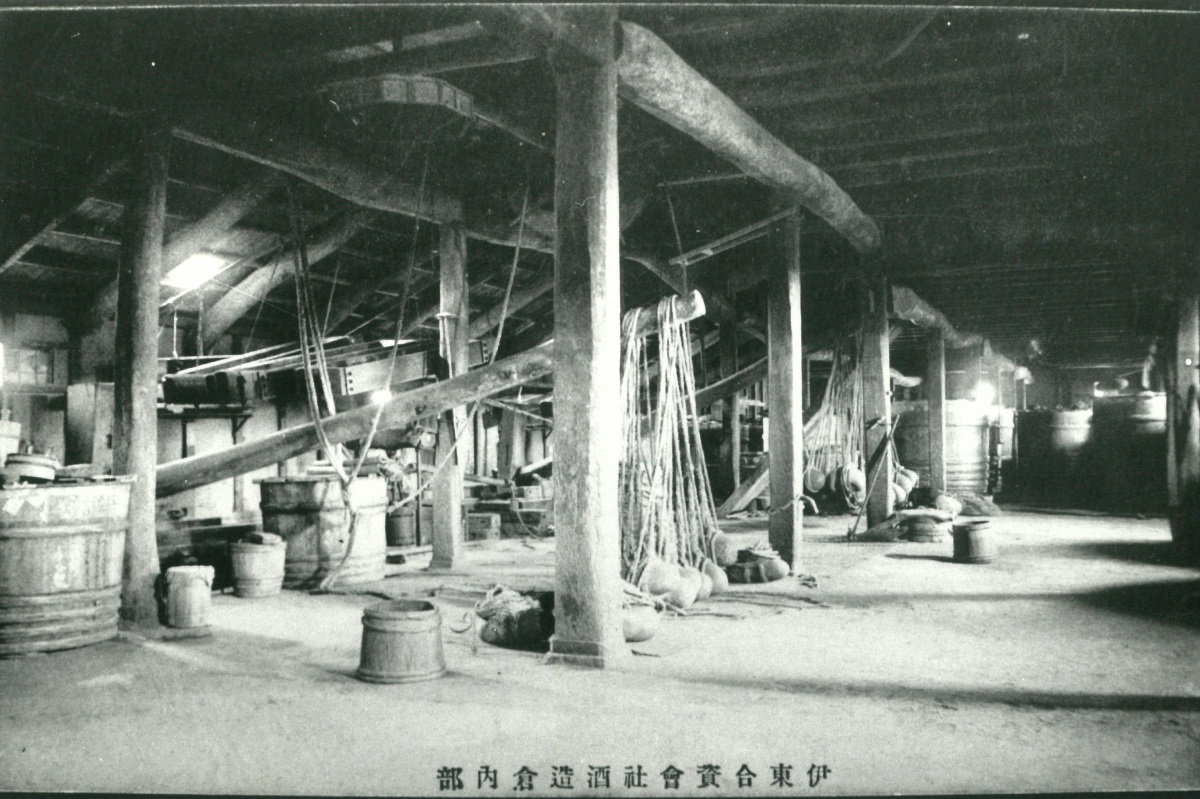
The History of Itō Gōshi and Shikishima
Itō Gōshi originated as a brewery founded by Itō Magozaemon in 1788. Magozaemon’s brewery quickly found success with its signature sake Shikishima. The brewery thrived, doing well enough to have its own ship and wharf for transporting sake to Edo. By the early twentieth century, the brewery was Kamezaki’s foremost sake brewery, boasting a yearly production of over one million liters. In 1908, the three local Itō families merged to create Itō Gōshi, or the Itō Partnership Company, which made and sold sake, miso, and soy sauce, engaged in banking, insurance, and real estate, operated a pharmacy, and even made barrels.
The enterprise was a cornerstone of the local economy, and in 1923, it was the leading brewery by volume within the jurisdiction of the Nagoya Taxation Bureau, which covered the Chūbu region. However, as the market shifted, Itō Gōshi withdrew from miso manufacturing in the 1970s, and it sold its soy sauce division. Around the same time, demand for sake began to decline, and the eighth-generation owner finally closed the brewery and surrendered Itō Gōshi’s sake brewing license in 2000.
Revival and a New Generation
When the Itō Gōshi brewery closed, Itō Masaru (b. 1984) was a high school student living in Nagoya. He returned to Nagoya in 2013 after a pivotal time in his life. His grandfather, the seventh-generation owner, passed away in 2014. On the eve of the wake, Masaru kept vigil and drank a 14-year-old bottle of Shikishima he found. Astonished by its flavor despite its age, he resolved to revive the family’s legacy.
Masaru devoted himself to studying sake, quitting his job to reinvent Shikishima for the modern era. In 2020, he brewed his first batch, “Shikishima Zero Step,” followed by “Half Step” in 2021. Through immense effort, he managed to acquire a brewing license in 2021. Resurrecting the old brewery was demanding, but Masaru’s dedication paid off: Shikishima was again being produced in Kamezaki.
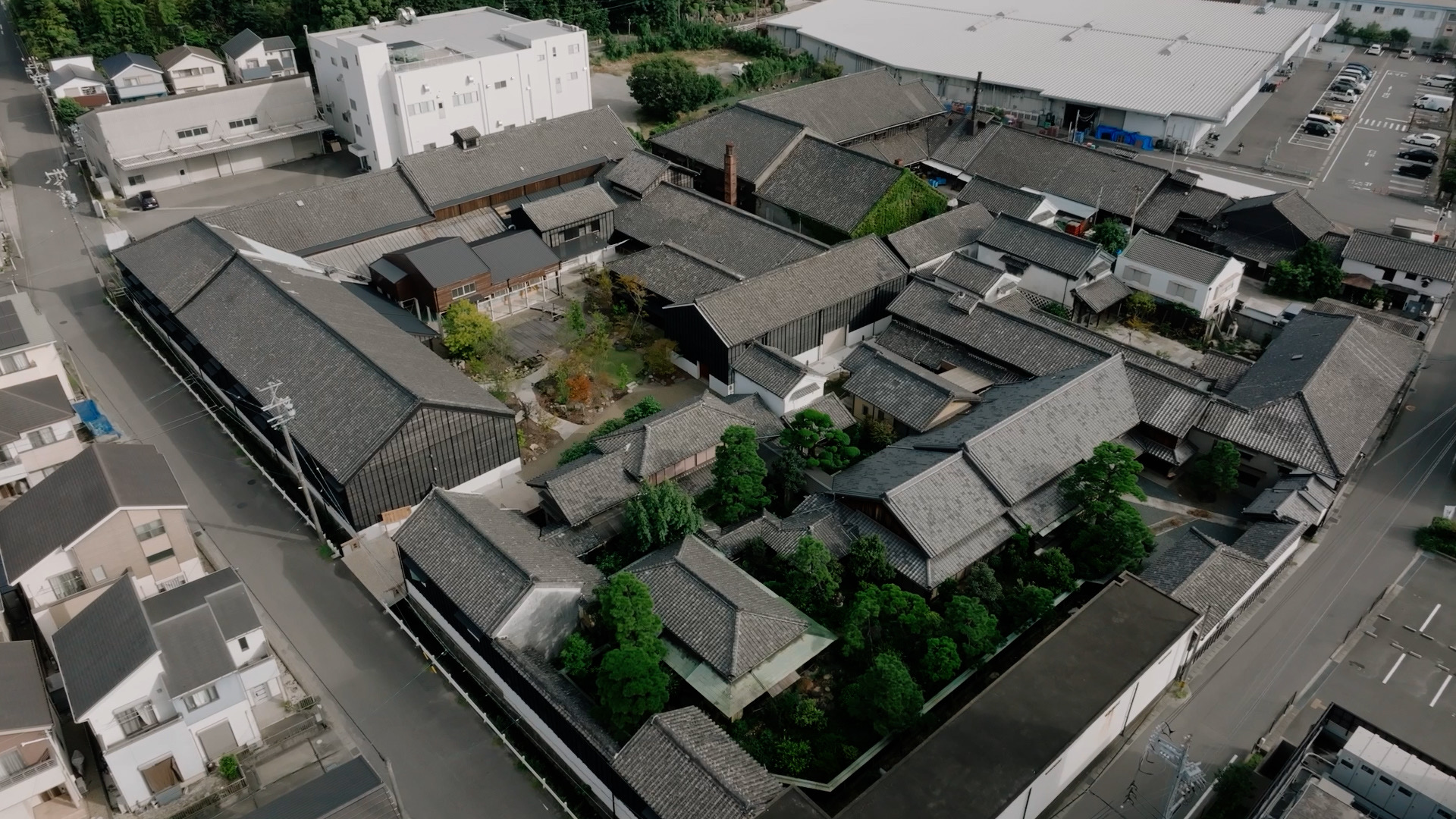
The buildings, some dating back to the 1830s, were restored with local artisans. Three buildings were designated Tangible Cultural Properties in 2022. In January 2024, Itō Gōshi opened shop in the family’s former bank office, which now includes a cafe, a restaurant, and an event space.
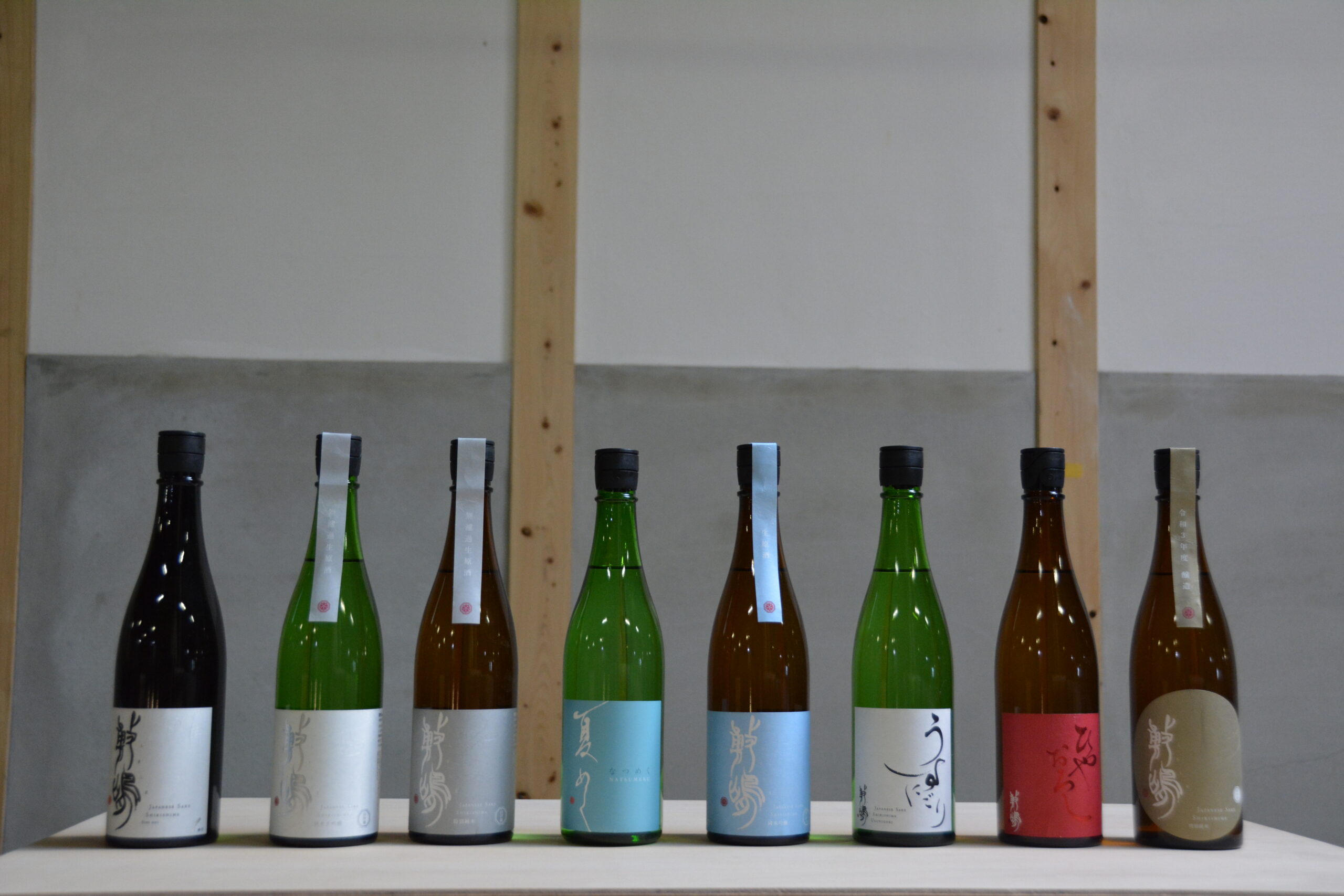
Shikishima Sake
The concept behind Shikishima is “sake for dining.” Itō Gōshi strives for a sake that will enhance the flavor of food, not wash it down. During the brewing process, the rice is thoroughly dissolved to make strong kōbo yeast, leading to a full sake with a clean finish. The mineral-rich water used in brewing gives the sake a refined acidity and flavor. Shikishima pairs well with a range of cuisine, including dishes rich in umami, spicy foods, and meat.